A Comprehensive Guide to Your New Yogurt Maker
A detailed guide to a new yogurt maker presents important information for those interested in creating homemade yogurt. It examines the essential parts of the machine, ingredient options, and preparation approaches. Grasping the usual challenges can refine the yogurt-making experience. In addition, the guide delivers advice for flavor adaptation and maintenance. Exploring these topics can greatly impact the quality of the final product, inviting further exploration into the art of yogurt-making.
Understanding Your Yogurt Maker
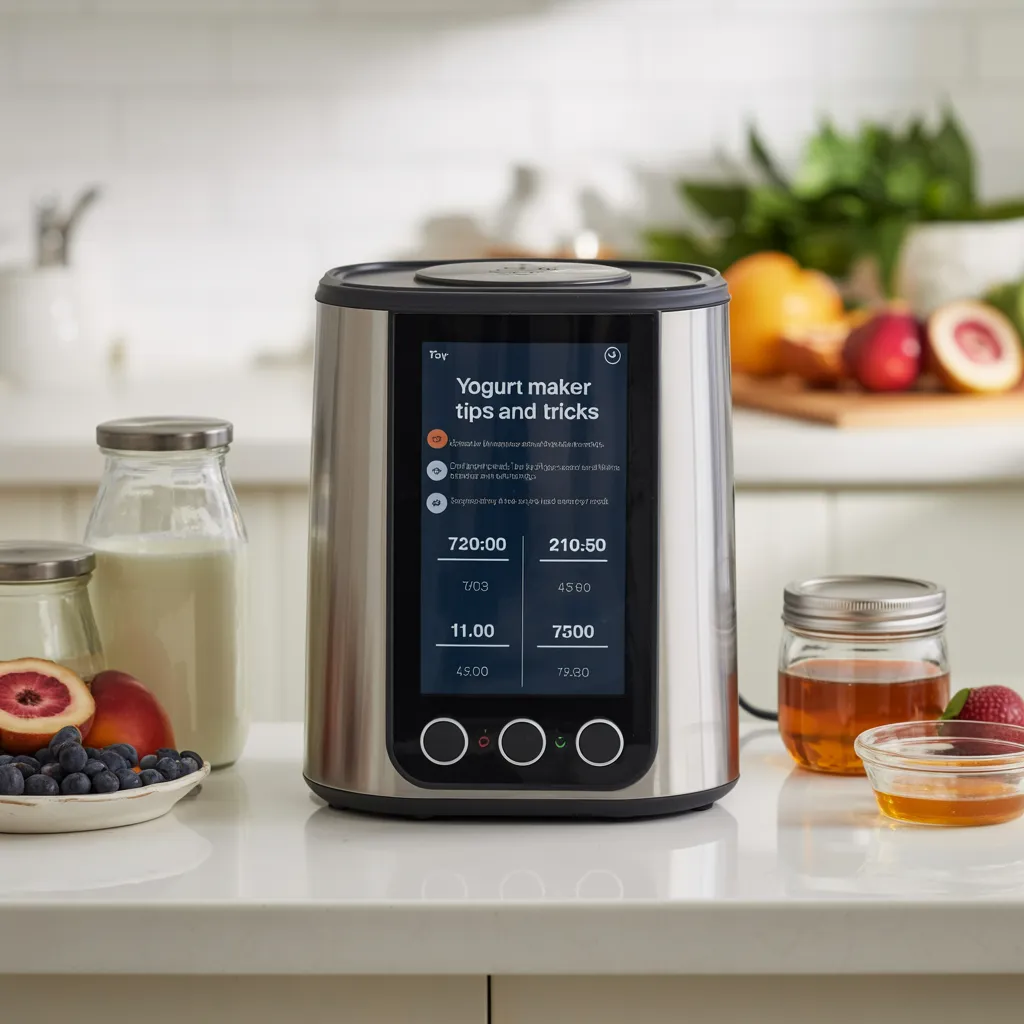
A yogurt maker is a vital appliance for those who wish to create delicious, homemade yogurt. Knowing the parts and features of this device can improve the yogurt-making experience. Usually, a yogurt maker is composed of a base unit, containers, and a lid. The base houses the heating element, which sustains a stable temperature needed for fermentation. Most models feature individual jars to allow for flavor variety and portion control.
Users ought to become familiar with the control panel, which may have settings for temperature and time. Certain advanced units provide programmable options, permitting users to personalize their yogurt-making process. It is also crucial to understand the capacity of the yogurt maker, as this will determine how much yogurt can be produced in a single batch. By understanding these fundamental aspects, individuals can maximize the potential of their yogurt maker and experience fresh yogurt customized to their preferences.
Selecting Ingredients for Your Yogurt Maker
In choosing ingredients for a yogurt maker, it is vital to emphasize quality to secure the best results. The choice of milk is crucial; whole or low-fat milk can create different textures and flavors. Organic alternatives are encouraged for those seeking a more natural product, as they often contain fewer additives. Non-dairy alternatives, such as almond or coconut milk, can also be employed, but may demand additional thickeners to attain a creamy consistency.
In addition to milk, the selection of yogurt starter culture plays an important part in the fermentation process. High-quality, live-culture yogurts are optimal, as they contain valuable bacteria crucial for yogurt-making. Flavors and sweeteners can be added later, but using fresh, superior ingredients ensures a superior base. Eventually, the right combination of milk and starter culture will influence the overall taste and texture of the final yogurt product.
Step-by-Step Guide to Making Yogurt at Home
Making yogurt at home can be an enjoyable and rewarding experience, enabling individuals to tailor flavors and textures to their preference. The process commences by selecting quality ingredients, typically milk and a yogurt starter containing live cultures. First, the milk should be heated to around 180°F, then cooled to about 110°F. This temperature is perfect for the yogurt cultures to flourish.
Next, a little amount of the starter yogurt is blended with the cooled milk, making sure it's thoroughly mixed. The mixture is then placed in the yogurt maker, which provides a steady warm setting. After roughly 6 to 12 hours, the yogurt is assessed for consistency and flavor; prolonged fermentation produces a more pronounced flavor. Once satisfied, the yogurt should be cooled in the refrigerator to halt fermentation. At last, it can be enjoyed on its own or with various flavors and toppings, presenting a flexible addition to any meal or snack.
5 Key Missteps to Steer Clear Of When Making Yogurt
Making yogurt at home can be a straightforward task, yet certain errors can result in disappointing outcomes. One common mistake is using milk that is not fresh or properly pasteurized, which can affect fermentation. Another error is neglecting to maintain the right temperature during the incubation stage; temperatures that are too low can produce runny yogurt, while excessively high temperatures may eliminate the cultures.
Failing to measure ingredients accurately can also interfere with the fermentation process, as the proper balance of milk and starter culture is vital. Additionally, some may neglect the importance of cleanliness; inadequate sanitization of utensils and containers can bring in unwanted bacteria. Ultimately, not allowing enough time for fermentation can produce yogurt that is overly runny or lacks flavor. Identifying these mistakes can significantly enhance the yogurt-making experience and lead to delicious, homemade yogurt.
Enhancing and Personalizing Your House-Made Yogurt
Adding flavor to and personalizing homemade yogurt can enhance its taste and appeal. Options for natural flavorings, sweeteners, and assorted fruits or toppings offer unlimited options for personalization. Experimenting with these options allows yogurt makers to create unique combinations that fit their personal preferences.
Natural Flavoring Options
Natural flavoring alternatives can enhance homemade yogurt from a basic snack to a enjoyable culinary experience. Integrating fresh fruits is a popular method, as peaches, berries, and mangoes provide natural sweetness and vibrant colors. Furthermore, pureed fruits can form a smooth texture and boost flavor. For those looking for a more aromatic profile, almond extract or vanilla extract adds a subtle yet rich dimension. Spices and herbs, such as mint or cinnamon, can provide a unique twist, making the yogurt increasingly versatile. Zest from citrus fruits, particularly from oranges or lemons, brings a revitalizing brightness. Experimenting with these natural flavoring options allows yogurt enthusiasts to individualize their creations, accommodating personal tastes and preferences while bypassing artificial additives.
Sweeteners and Additives
Sweeteners and additives fulfill a crucial purpose in enhancing the taste and consistency of homemade yogurt. When personalizing yogurt, various sweeteners can be utilized, including honey, agave syrup, and maple syrup, each contributing unique flavors. For those looking for low-calorie alternatives, artificial sweeteners like stevia or erythritol can be appropriate choices. Furthermore, natural flavorings such as vanilla extract or cocoa powder can enrich the yogurt experience without added sugars. Additives like gelatin or pectin can also boost texture, creating a creamier consistency. Careful consideration of these elements enables yogurt enthusiasts to tailor their creations, ensuring a distinctively tailored product that meets individual dietary preferences and taste profiles. Balancing sweetness with other flavors is critical to achieving the ideal yogurt.
Fruit and Topping Ideas
A variety of fruits and toppings can further enhance homemade yogurt, providing endless customization possibilities. Berries, bananas, and peaches bring natural sweetness along with vibrant colors. For a tropical twist, mango and pineapple can be delightful additions. Nuts, like almonds or walnuts, provide a satisfying crunch, while granola offers a hearty texture. Natural sweeteners including honey or maple syrup complement the flavors while maintaining balance. Spices such as cinnamon or vanilla extract can enhance the taste profile as well. For those seeking a more indulgent experience, chocolate chips or coconut flakes are popular choices. These fruit and topping combinations let individuals customize their yogurt to suit personal tastes, boosting both flavor and satisfaction.
How to Fix Common Yogurt Maker Issues?
When working with a yogurt maker, various relevant information common issues may arise that may disrupt the fermentation process. Understanding these problems and their quick fix solutions can help ensure a successful batch of yogurt. This section will describe the typical challenges experienced and provide easy-to-follow remedies to optimize the yogurt-making experience.
Standard Problems Described
Various yogurt makers face common problems that can obstruct the fermentation process and impact the final product. One common problem is inconsistent temperature, which can cause insufficient or excessive fermentation. If the yogurt is too runny or runny, it may point to inadequate fermentation time or inappropriate starter culture. In contrast, a grainy texture often occurs due to overheating during the process. Furthermore, contamination from contaminated equipment can disrupt the fermentation, allowing unwanted bacteria. Users may also encounter separation of whey from the yogurt, which may be a signal of excessive fermentation or poor mixing. Furthermore, if the yogurt maker doesn't power on, it could be due to electrical troubles, faulty connections, or degraded components. Detecting these common difficulties is crucial for troubleshooting successfully.
Instant Fix Solutions
While troubleshooting a yogurt maker can be challenging, grasping a few straightforward solutions can make easier the process. A frequent issue is poor fermentation, which may arise from incorrect temperature settings or an insufficient starter culture. Verifying that the yogurt maker is situated in a sheltered area can improve consistency. If the yogurt is too runny, extending the fermentation time or using a full-fat milk can help achieve a creamier texture. In cases of unpleasant odor or unusual colors, it is crucial to clean the unit meticulously and check the expiration date of materials. Routine maintenance, such as reviewing seals and checking proper electrical connections, can avoid many issues. With these tips, users can have a more trustworthy yogurt-making experience.
Questions and Answers
Is It OK to Use Non-Dairy Milk in My Yogurt Maker?
Indeed, non-dairy milk can be used in yogurt makers. Nevertheless, certain approaches and culture starters may be necessary for optimal fermentation. Testing various varieties may generate different textures and flavors in the finished yogurt.
How Long Can Homemade Yogurt Be Stored in the Fridge?
Homemade yogurt generally stays fresh for one to three weeks when refrigerated. Its longevity relies on proper storage and the quality of ingredients used. Well-sealed containers can substantially increase how long it lasts.
Is It Safe to Eat Yogurt Past Its Expiration Date?
Having yogurt beyond its expiration date can be safe if it exhibits no signs of spoilage, such as bad odors or mold. Nevertheless, it's recommended to use caution and follow food safety recommendations.
Is Making Yogurt Without a Yogurt Maker Possible?
Yes, yogurt can be produced without a yogurt maker. By leveraging a warm environment, such as an oven or insulated container, individuals can ferment milk with a yogurt starter culture to make homemade yogurt successfully.
What Temperature Works Best for Yogurt Fermentation?
The perfect temperature for yogurt fermentation falls between 110°F to 115°F (43°C to 46°C). Sustaining this temperature lets beneficial bacteria to prosper, resulting in a smooth, creamy texture and best flavor in homemade yogurt.